Stroke is one of the leading causes of death and disability worldwide—often striking without warning. Many patients fail to recognize stroke symptoms and treatment options early, which can lead to severe complications if not addressed immediately.
In this article, we’ll cover:
- What a stroke is
- Early warning signs and symptoms
- Common risk factors
- Standard and regenerative stroke treatment options (including stem cell therapy)
- Prevention tips to lower your risk
What is a Stroke?
A stroke is a medical emergency caused by a sudden interruption in blood supply to the brain. Without oxygen, brain cells begin to die within minutes, leading to permanent damage or even death if untreated.
The two main types of stroke include:
1. Ischemic Stroke
caused by a blood clot or plaque buildup that blocks a blood vessel in the brain
2. Hemorrhagic Stroke
caused by a ruptured blood vessel, leading to bleeding in the brain
Recognizing Stroke Symptoms Early
Recognizing stroke symptoms early is critical for survival and recovery. Symptoms usually appear suddenly and may include:
- Numbness or weakness on one side of the face or body
- Slurred speech or difficulty understanding language
- Drooping of one side of the mouth
- Vision loss or blurred vision in one or both eyes
- Dizziness, imbalance, or coordination issues
- Sudden, severe headache (often described as the worst ever)
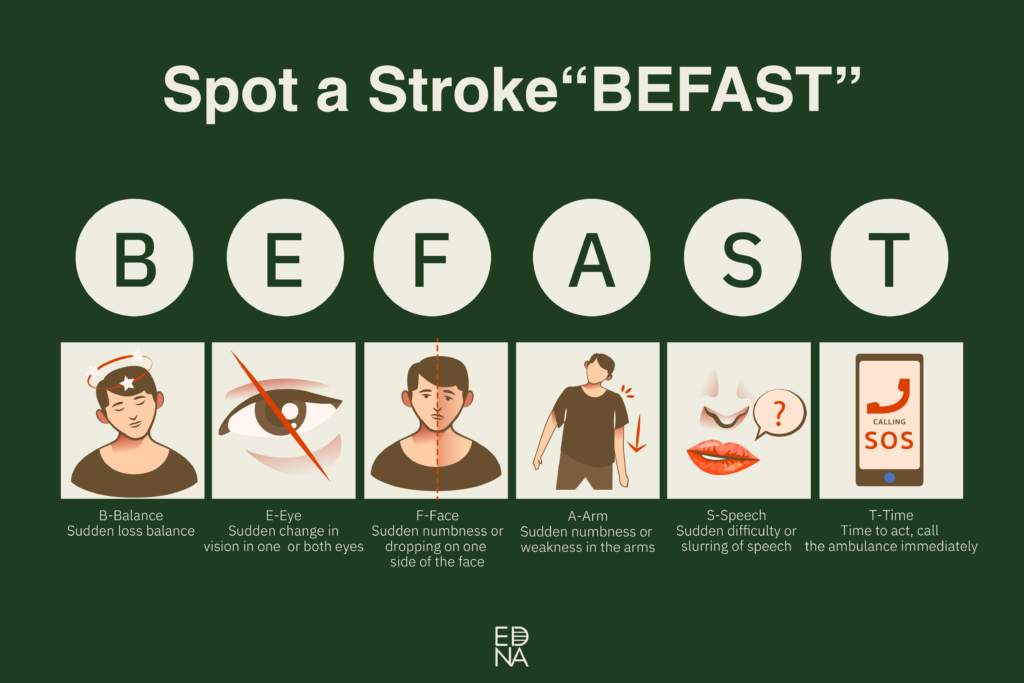
Use the “BE FAST” Rule to Identify Stroke
- B – Balance: Sudden loss of balance or coordination
- E – Eyes: Sudden vision changes
- F – Face: Facial drooping or asymmetry
- A – Arms: Arm weakness or numbness
- S – Speech: Slurred or confused speech
- T – Time: Call emergency services immediately
When it comes to stroke, every minute matters. Prompt treatment can save brain cells and improve the chances of recovery.
Common Risk Factors for Stroke
Stroke is often linked to lifestyle-related risk factors, including:
- High blood pressure (the #1 cause of stroke)
- High cholesterol
- Diabetes
- Heart disease, especially arrhythmias like atrial fibrillation
- Smoking and excessive alcohol consumption
- Obesity and lack of physical activity
- Poor diet high in saturated fats and sodium

Stroke Treatment Options
1. Conventional Treatments
- Ischemic Stroke: Blood thinners or clot-busting drugs (e.g., tPA), cholesterol and blood pressure management
- HemorrhagicStroke: Surgery to stop bleeding or repair ruptured blood vessels
- Rehabilitation: Physical and speech therapy to recover motor and communication functions
2. Stem Cell Therapy for Stroke Recovery
Mesenchymal Stem Cells (MSCs) offer a promising treatment for stroke recovery. These cells help repair brain tissue and reduce inflammation caused by stroke-related damage.
Benefits of MSCs in Stroke Treatment:
- Stimulate new neuron growth
- Reduce inflammation in brain tissue
- Support new blood vessel formation for better circulation
- Improve motor recovery and speech function
How to Prevent Stroke
Even if you’re at risk, many preventive steps can dramatically reduce the chance of having a stroke:
- Control blood pressure through regular check-ups
- Keep blood sugar levels stable (especially for diabetics)
- Exercise regularly (at least 30 mins, 5 days/week)
- Eat a heart-healthy diet: low in sodium and saturated fat
- Avoid smoking and heavy alcohol use
- Manage stress with meditation or relaxation techniques
Medically reviewed by Dr. Pongwat Polpong, M.D.
Neurosurgeon, Chief Physician at EDNA Wellness
About EDNA Wellness
EDNA Wellness is a surgeon-led regenerative medicine center in Bangkok, specializing in orthopedic and neurological conditions using Umbilical Cord–Derived Mesenchymal Stem Cells (UC-MSCs).
All cases are reviewed by orthopedic surgeons and neurosurgeons, with a focus on clinical indication, patient safety, and realistic treatment expectations. Stem cell therapy is recommended selectively, and alternative treatments are considered when more appropriate.
For more information or to book a consultation:
LINE: @ednawellness
WhatsApp: +66 (0) 64 505 5599
www.ednawellness.com
Clinical Research: Stem Cell Translational Medicine (2022)