
Osteoarthritis (OA) is the most common degenerative disease that affects people world wide, including small joints (hands, fingers) and large joints (knee, hip and joints)
How Stem Cells Regenerative Therapy Heals Bones & Joints
Bone regeneration therapy is a cutting-edge field of medicine that’s changing how we approach injuries and degenerative diseases. For years, the gold standard for severe bone and joint problems has been surgery, often involving joint replacements or bone grafts. However, these procedures are invasive, come with long recovery times, and don’t always address the root cause of the damage.
Today, a new, more natural approach is gaining ground: regenerative therapy using stem cells. This treatment harnesses the body’s own power to heal itself, offering a promising alternative for those suffering from chronic joint pain and bone fractures
What Causes Bone and Joint Damage?
Bones and joints are the foundation of our bodies, but they’re susceptible to a variety of conditions that can cause pain and limit mobility
Common Causes of Joint Damage
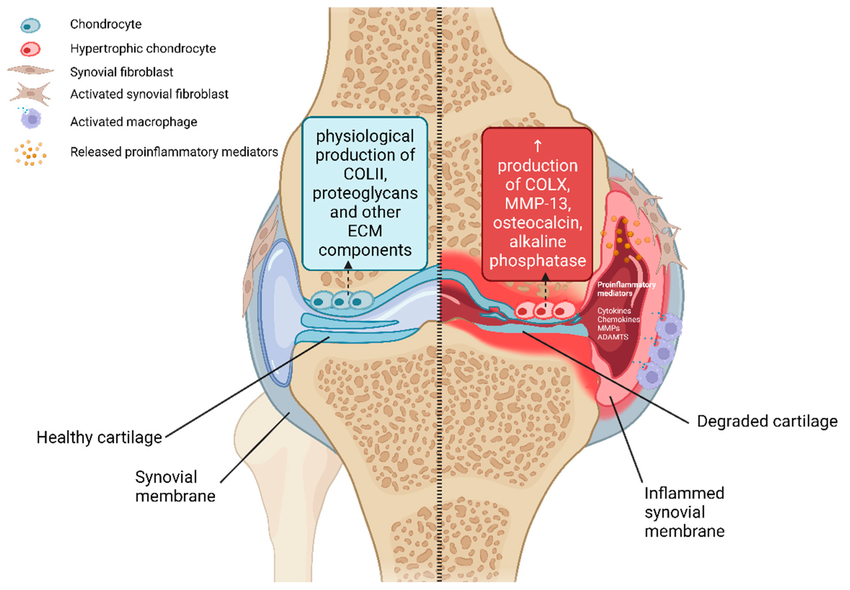
- Osteoarthritis (OA): A “wear and tear” condition where the cartilage cushioning the ends of bones gradually wears down. This leads to bone-on-bone friction, causing pain, stiffness, and loss of function. Age, genetics, and obesity are major risk factors
* According to Journal of Orthopaedic, OA is reported to negatively impact the well-being of more than 500 million individuals worldwide
- Sports Injuries: Traumatic events like a torn meniscus, ligament sprains, or tendon ruptures can lead to long-term joint instability and pain
- Autoimmune Conditions: Diseases such as rheumatoid arthritis cause the immune system to mistakenly attack the joints, leading to inflammation and damage.
Why Bones Struggle to Heal Themselves
While bones are generally good at healing, certain injuries like complex fractures or bone non-unions (when a bone doesn’t heal properly) present a significant challenge. Cartilage, in particular, has a very limited blood supply, which means it lacks the necessary nutrients and cells to effectively repair itself after injury or degeneration. This is why many traditional treatments for joint pain treatment only provide temporary relief
How Stem Cell Regenerative Therapy Works for Bones
Stem cells are the body’s natural “repair crew,” and regenerative therapy simply sends more of them to where they’re needed most. This form of bone regeneration therapy leverages the unique properties of mesenchymal stem cells (MSCs)
Mesenchymal Stem Cells (MSCs) and Their Role
MSCs are a type of adult stem cell found in various tissues, including bone marrow and fat. They have the remarkable ability to differentiate into several cell types, including cartilage, bone, muscle, and ligaments.
When injected into a damaged area, these cells get to work
Paracrine Effects: The “Mini-Pharmacies”
Beyond their ability to differentiate, MSCs act as powerful communicators. They release a rich cocktail of bioactive molecules called paracrine factors that perform several critical functions:
Reducing Inflammation
Inflammation is a primary cause of pain and tissue damage in joints. MSCs secrete anti-inflammatory cytokines that calm the immune system’s response, reducing swelling and pain.
Stimulating Native Cells
These growth factors stimulate the body’s own existing cells to migrate to the injury site and begin the repair process. This is the core of regenerative medicine for bone fractures.
Promoting Angiogenesis
They encourage the formation of new blood vessels, which improves blood flow to the damaged area, delivering essential oxygen and nutrients for healing.
Benefits of Stem Cell Therapy for Joint Pain
Stem cell regenerative therapy for bones and joints is gaining popularity because of its potential to offer significant, long-lasting benefits
Natural Healing Without Surgery
This minimally invasive approach reduces the need for joint replacement surgery and other invasive procedures. The recovery is often much faster, with minimal downtime.
Pain Relief and Improved Mobility
Patients commonly report a significant reduction in joint pain and a greater range of motion. By targeting the source of inflammation and supporting tissue repair, this therapy provides more than just temporary symptomatic relief.
Supporting Long-Term Joint Health
Instead of masking pain, stem cells work to heal the damaged tissue, with the potential to slow down the progression of degenerative conditions like osteoarthritis.
Regeneration
For fractures that struggle to heal, a process known as non-union, stem cells can be a game-changer. By delivering a concentrated dose of regenerative cells, they can kickstart the healing process and promote stem cells for bone healing.
Medically reviewed by Dr. Naputt Virasathienpornkul, M.D.
Orthopedic Surgeon, Sports Medicine & Joint Conditions
About EDNA Wellness
EDNA Wellness is a private clinic specializing in Stem Cell Therapy in Bangkok, Thailand for Neurology & Stroke as well as Bones & Joints. Beyond rehabilitation, we also provide aesthetic and wellness treatments to support your full-body vitality. All delivered with expert care and compassion
For more information or inquiries, contact us via
LINE @ednawellness
WhatsApp +66 (0) 64 505 5599
Citations
- Mayo Clinic. (2024). Osteoarthritis – Symptoms & causes.
- Schmitt, A., et al. (2012). Application of stem cells in orthopedics. Stem Cells International
- Chahla, J., et al. (2016). Intra-articular mesenchymal stem cells in osteoarthritis of the knee: a systematic review of clinical outcomes and evidence of cartilage repair. Arthroscopy.
- Mesenchymal stem cells for bone regeneration and repair. (2025). Frontiers in Bioengineering and Biotechnology